
Upcoming Conferences

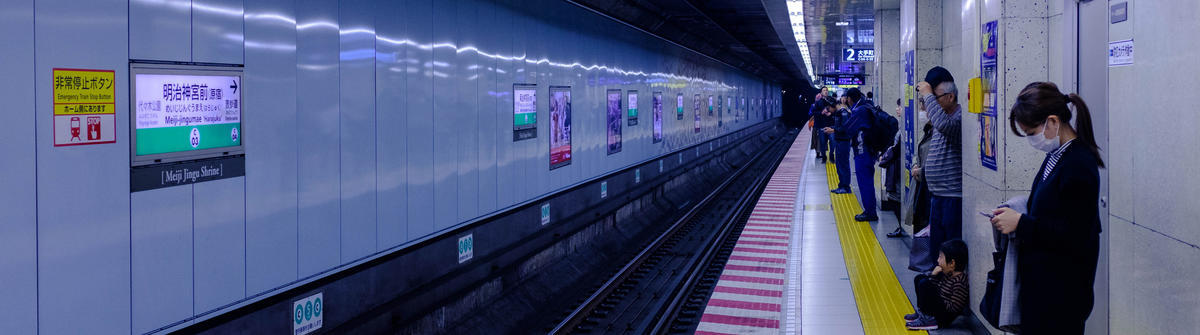
People waiting for a train
Japan’s Immigration Policies at a Crossroads

Japan’s Immigration Policies at a Crossroads

Japan is at a historic crossroads with its immigration policies. By the end of 2024, the number of foreign workers and residents in the country had surpassed 3.75 million, accounting for approximately 3 percent of the population. The increase in foreign workers reflects successive state policy changes in the late 2010s, with the amendment of the Immigration Control and Refugee Recognition Act in 2016. The Act introduced a visa category for mid-skilled foreign care workers. Until then, the country officially admitted only skilled migrants for employment, while in practice it allowed unskilled foreigners to work through various temporary programs, most notably the Technical Interns and Training Program (TITP, Ginō Jisshū Seido), which has faced numerous operational problems. However, labor shortages in key industries such as construction, manufacturing, and services reached a new high as Japan’s labor force and population aged and decreased. In response, the Japanese government introduced the Specified Skilled Worker (SSW, Tokutei Ginō) program, comprising a two-phase model, SSW (i) and SSW (ii), in 2019. The policy aims to streamline the admission and employment of foreign workers based on their skill development and, eventually, to grant select workers the right to permanent residency and family reunification. The policy change from temporary workers to long-term residents requires national policies that incorporate immigrants into the country’s social and political institutions beyond just labor markets. The CJS Immigration Symposium will explore the processes, impacts, and questions surrounding these major changes in state policies since the late 2010s. 

Don't see any upcoming events?

Sign up for our Mailing List to receive updates about our future programming and stay abreast of the latest research in Japanese Studies!